Last updated on September 4, 2025
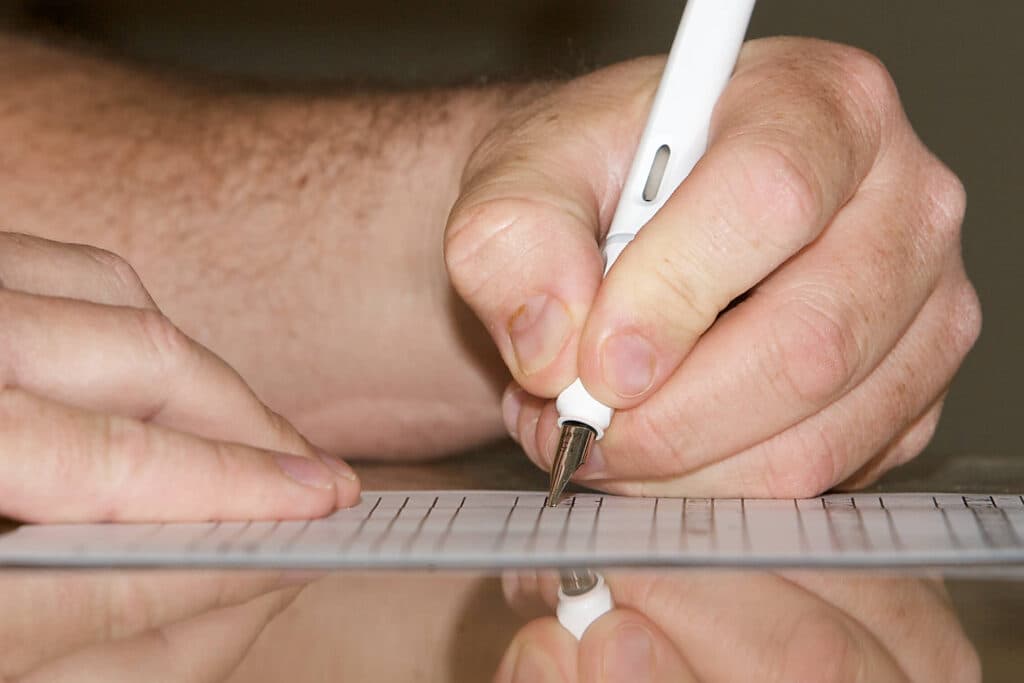
For decades, left-handed writers have faced myths and challenges when it comes to using fountain pens. But the truth is, lefties can enjoy the smooth, elegant experience of fountain pen writing as much as right-handers. The key lies in understanding how hand positioning, ink choice, pen design, and paper quality all affect your writing.
This guide covers what left-handed fountain pen users should know. It includes tips on how to hold your pen, choose quick-drying inks, find left-handed pens, and select the right paper. With the right setup and a bit of practice, you’ll minimise smudging, improve comfort, and produce beautiful, clean writing every time.
Let’s start with hand positioning.
Fountain pen hand positioning for lefties
If you’re left-handed, how you hold and move your pen across the page has a major impact on your writing experience — especially with a fountain pen. Some hand positions work better than others, but you can improve each with the right approach. With enough practice, some writers even retrain themselves to write in a new position altogether.
Side-writing
Side-writing means your hand moves along your line of writing. It often feels natural, but it’s the most likely to cause smudging. If this is your default position, you’ll need fast-drying ink and a fine or extra-fine nib to lay down less ink.
Turning your paper slightly to the left can also help reduce contact between your hand and fresh ink.
Over-writing
In this style, your hand hooks over the top of your writing line — a technique many lefties pick up in school. It can still lead to smudging, but usually less so than side-writing.
To minimise contact with wet ink, exaggerate the hook to keep your hand above the line. Fast-drying ink helps here, too. Avoid flex nibs (they skip in this position), but stub nibs can work well.
Under-writing
This is the gold standard for left-handed fountain pen users. Your hand stays below the line, like a right-hander’s, which keeps it out of the wet ink.
Under-writing gives you more flexibility with nib size and ink choice, and it’s the least likely to cause smudges. If you can adapt to this style, it can completely transform your fountain pen experience.
Fountain pen ink for lefties
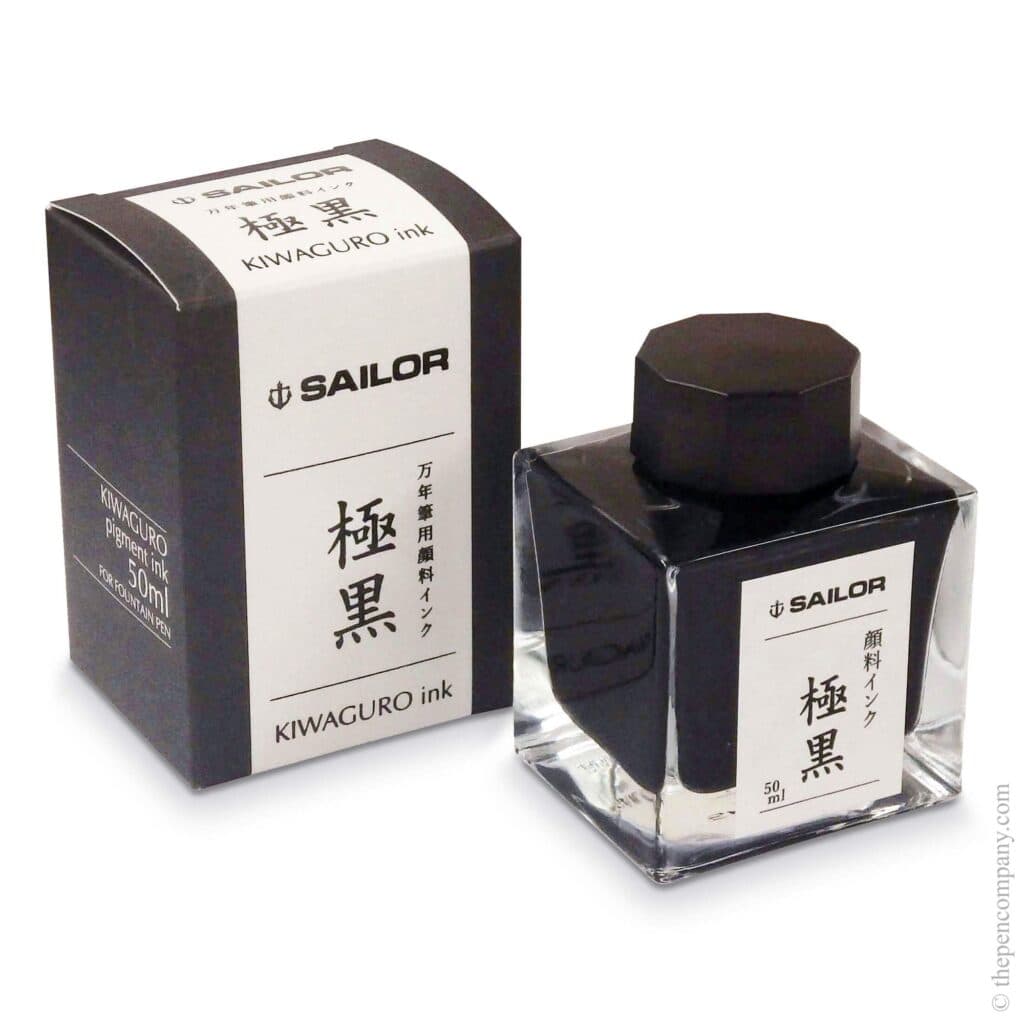
No matter how you hold your pen, quick-drying ink is usually the best choice for left-handed writers. It helps prevent smudging — especially if you write quickly or cover a lot of ground in a short time.
If you’re a fast writer, consider using ultra-fast-drying inks. However, be aware that the quickest-drying inks often feather. That’s because they’re formulated to soak into paper rapidly, which can cause the ink to spread into the fibres.
Ink colour also makes a difference. Blue and black inks tend to dry faster than other colours, though there are exceptions.
The best approach? Try a range of inks — different brands, colours, and formulas — and see what works for your writing style. Depending on your hand position and nib size, you might not need the absolute fastest-drying ink. That gives you more flexibility and can help you avoid feathering issues altogether.
These quick-drying inks offer minimal feathering on high-quality paper:
Black inks
- Lamy T52 fountain pen ink in Black
- Sailor pigment ink in Kiwa-Guro
- Pelikan 4001 ink cartridges in Brilliant Black
Blue inks
Blue-black inks
- Sailor fountain pen ink in Blue-Black
- Lamy T52 fountain pen ink in Blue-Black
- Pilot Iroshizuku fountain pen ink in Shin-Kai
Grey inks
Green inks
- Diamine 150th anniversary fountain pen ink in Safari
- Caran d’Ache Chromatics fountain pen ink in Delicate Green
Left-handed fountain pens
For left-handed writers, comfort and nib choice matter. How you hold the pen affects which models feel right in the hand — some grips and angles suit certain pens better than others.
The good news? Designers make modern fountain pens that are comfortable to use at different angles. This feature makes them great for left-handed writers.
To reduce smudging, go for a fine or extra-fine nib. These lay down less ink, which helps it dry faster. You’ll also want a nib that writes smoothly with light pressure, so your pen glides cleanly across the page without dragging.
Lamy Safari and AL-Star
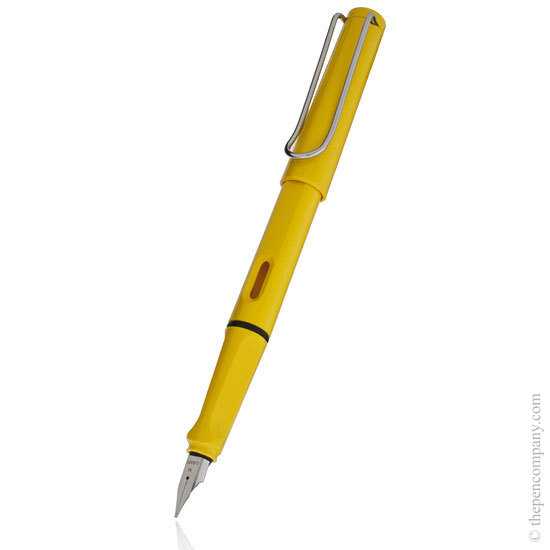
The Lamy Safari and AL-Star are excellent choices for left-handed beginners and intermediate users. Both have an ergonomic triangular grip. This design helps with hand positioning and makes writing more comfortable. Their stainless steel nibs are smooth and interchangeable. They provide controlled, moderate ink flow, which helps avoid smudges.
You can buy either model with a Left-Handed (LH) fountain pen nib designed for smooth push strokes. If that doesn’t suit your style, go for a Fine (F) or Extra-Fine (EF) nib instead.
These pens take Lamy T10 cartridges but also support bottled ink when paired with the Lamy Z28 converter. With a wide range of bold colours and a solid reputation for reliability, they’re an affordable, user-friendly option for lefties.
Faber-Castell Grip 2010 Harmony
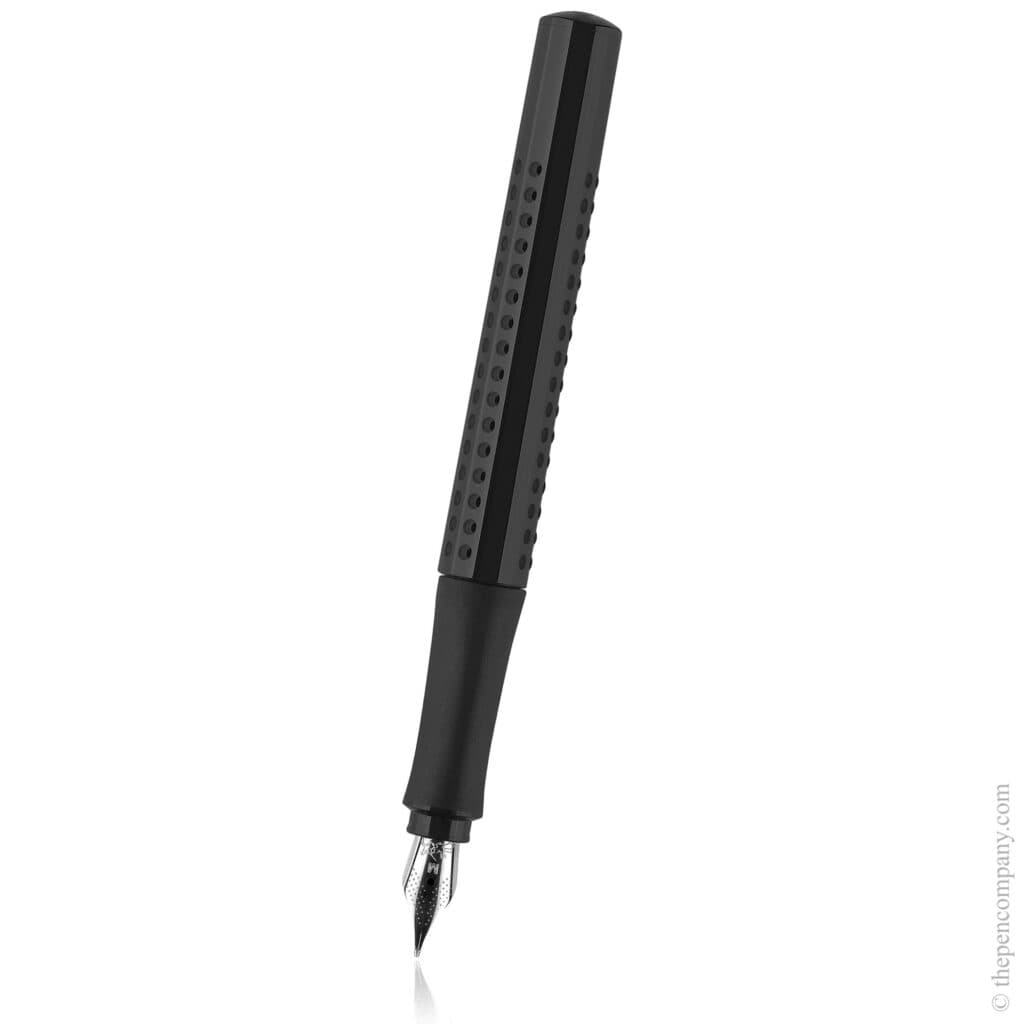
The Faber-Castell Grip 2010 Harmony is another great option for left-handed writers. Like the Lamy Safari, it features a comfortable triangular grip and a smooth steel nib that performs well — even at awkward writing angles.
The Fine (F) nib works particularly well for left-handers, laying down less ink to help prevent smudging. It takes standard international ink cartridges, giving you colour and brand flexibility.
The Grip 2010 Harmony comes in four colours and is affordably priced. It blends function, comfort, and style for lefties without breaking the bank.
Kaweco AL Sport
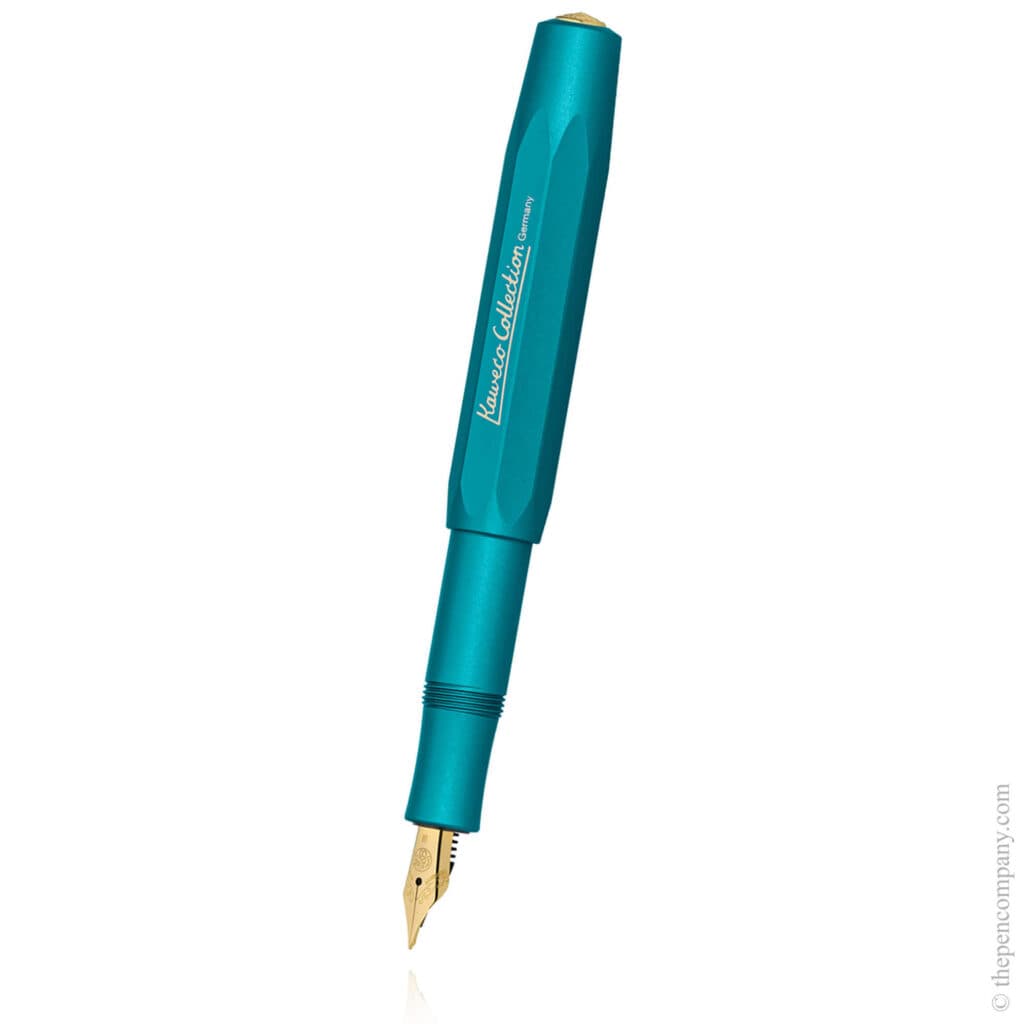
The Kaweco AL Sport is compact, giving left-handed writers great control. However, it may feel small for people with larger hands. Its Fine (F) and Extra-Fine (EF) nibs deliver a dry, precise line, perfect for quick-drying inks.
This pen takes universal short cartridges. It also works with the Kaweco mini converter for bottled ink. This gives you more options.
Made from solid aluminium and featuring elegant gold-plated accents, the AL Sport is a stylish and durable option. However, it costs more than the Lamy and Faber-Castell models.
Paper for left-handed fountain pen users
Paper plays a big role in drying time, which is especially important for left-handed fountain pen users. Choose high-quality paper between 80 and 100 gsm that resists feathering and bleed-through.
Aim for a smooth surface that provides grip. It shouldn’t be too slippery, or your hand will slip. But it also shouldn’t be rough. This helps left-handed writers with hooked or side grips keep control.
Heavier papers can feel luxurious but may slow drying times, so balance thickness with quick ink absorption for the best results.