Fountain pens are more than writing tools — they’re a perfect blend of functionality, artistry, and personal expression. At the core of every fountain pen lies the nib, a defining feature that controls ink flow and shapes the character of your handwriting.
With a range of nib styles to choose from, selecting the right one can feel daunting. This guide simplifies the process by exploring nib types, like the stub, oblique, reverse oblique, zoom, music, flex, and italic nibs. We’ll highlight their unique qualities and ideal uses.
1. The stub nib
Stub nibs have broad, flat tips. They create line variation with wide downstrokes and thin cross-strokes. Unlike italic nibs, stub nibs have slightly rounded edges, making them more forgiving and manageable for beginners. This nib type adds elegance to everyday handwriting and suits calligraphy-inspired writing styles.
Best for: Decorative handwriting, journaling, and casual calligraphy.
Stub nibs we love
The Lamy Joy AL fountain pen
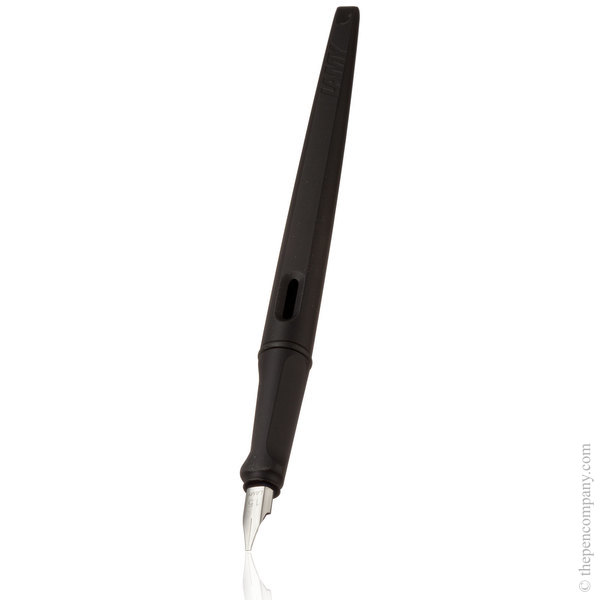
The Lamy Joy AL fountain pen is a great, affordable choice for those wanting a stub nib pen. It has a triangular grip section for a secure and comfortable hold.
This pen features a matte black barrel and a stylish aluminium cap, with nib widths of 1.1 mm, 1.5 mm, or 1.9 mm to suit various writing styles. It’s equipped with a blue Lamy T10 ink cartridge.
The Conklin Mark Twain fountain pen
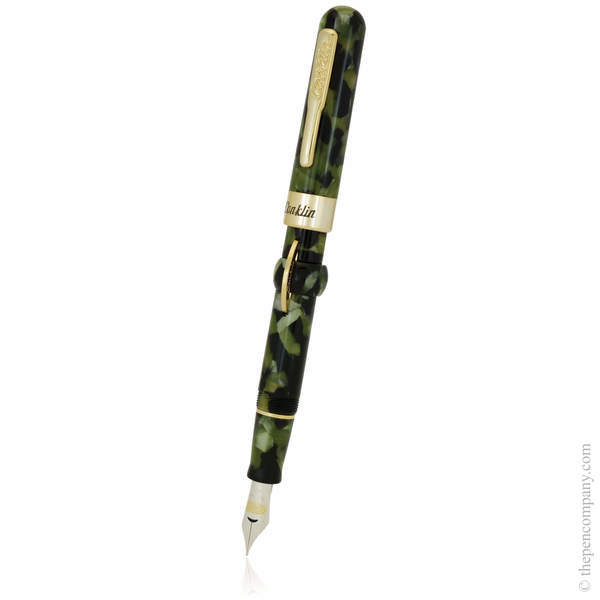
Conklin’s Mark Twain fountain pen pays tribute to the legendary author who loved the brand’s innovative Crescent Filler mechanism. He also favoured the pen’s design because it didn’t roll off his desk.
Artisans in Italy handcraft this pen. It has the revolutionary filling mechanism, Conklin’s spring-loaded rocker clip, and Twain’s engraved signature around the band.
This fountain pen blends style and practicality and is available in three stunning finishes: Vintage Green, Black Chase, and the limited edition transparent Demonstrator. The 1.1 mm stub nib ensures a smooth writing experience.
2. The oblique nib
Stub nibs are popular but don’t suit all writers’ hand positioning. Oblique nibs are like stubs but slanted, making them ideal for writers who rotate their pens while writing. The nib’s angle is typically 15 degrees, but this varies among manufacturers.
These nibs ensure a steady ink flow and line width, solving the issues of scratchy handwriting and hand cramps from correcting it.
Best for: Writers with a natural pen rotation or those seeking line variation in a unique style.
Oblique nibs we love
The Lamy Accent fountain pen
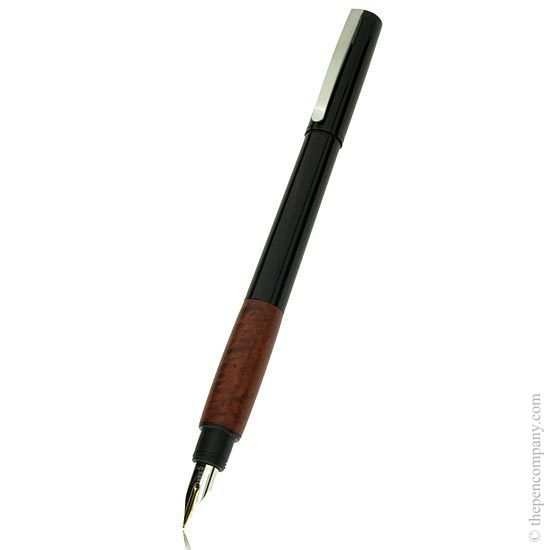
This Lamy Accent fountain pen combines sophisticated design with exceptional craftsmanship. It has a striking black gloss finish complemented by a briar wood grip section for elegance and warmth. This pen’s bi-coloured 14-carat gold nib comes in Oblique Medium or Broad, offering subtle precision or bold, expressive lines.
The Caran d’Ache Ivanhoe Varius fountain pen
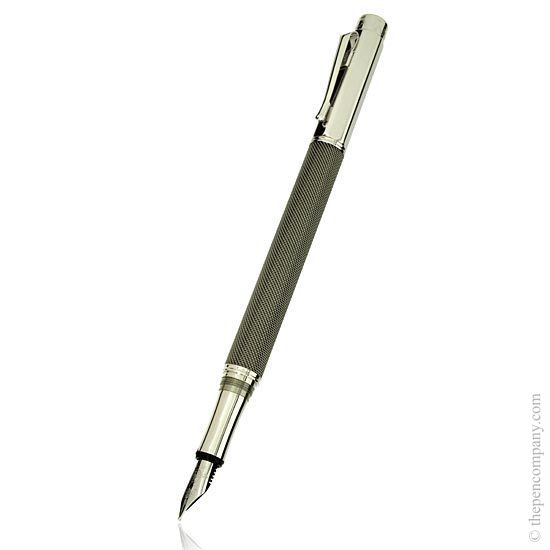
Caran d’Ache’s Ivanhoe Varius fountain pen is a design masterpiece. It has a distinctive, textured chain mail finish made of woven stainless steel. Experts make this pen collection from solid brass, silver, and rhodium, embodying luxury and durability.
This pen’s 18-carat rhodium-plated nib is available in Oblique Medium or Broad. It offers a smooth, expressive writing experience. Choose between two finishes — Rhodium or Black.
3. The reverse oblique nib
Reverse oblique nibs are the same as standard ones, but their slant is angled in the opposite direction. These are less common but useful for left-handed writers who may find standard oblique nibs challenging.
Best for: Left-handed writers or anyone whose writing style benefits from an unusual slant.
4. The zoom nib
Zoom nibs are unique and versatile. Their tip shape lets you change line width by altering the pen’s angle to the paper. A steep angle produces fine lines, while a shallow angle creates broad strokes like a paintbrush.
This versatility makes Zoom nibs ideal for artists and creatives. However, this nib type doesn’t allow quick writing, and some find changing angles exhausting.
Best for: Artists, sketchers, and anyone who likes to vary line width on the fly.
A zoom nib we love

Sailor’s 1911 Large fountain pen is a key piece in the brand’s famous 1911 collection, celebrated for its timeless design. This model has a sleek black barrel, complemented by a 21-carat rhodium-plated gold zoom nib. The pen’s trim and clip match the nib.
It’s also available in black with gold accents for those who prefer a classic look. You can use Sailor ink cartridges or the supplied converter to fill the pen from an inkwell.
5. The music nib
Initially designed for writing musical notation, music nibs boast two tines and a broad, flat surface at the tip. This design gives them more significant line variation than other nibs, with thick vertical lines and thinner horizontal ones. It’s perfect for the precise shapes needed in musical scores. The music nib also provides excellent control and stability, with a low risk of blotting or skipping, thanks to smooth ink flow.
This unique nib orchestrates your writing strokes like a conductor guiding a symphony. Hold it at around a 45-degree angle to maximise its potential.
Best for: Composing musical scores, expressive writing, and artistic line work.
A music nib we love
The Sailor 1911 Ringless fountain pen

The Sailor 1911 Ringless series reimagines the iconic 1911 Large. It has a minimalist design, with no cap rings, for a cleaner, refined Japanese aesthetic. This Simply Black model has an elegant black finish paired with a 21-carat rhodium-plated music nib. It’s perfect for creating expressive, nuanced lines.
6. The flex nib
Designers create flex nibs to bend under pressure, creating line variation based on how hard you press. This results in expressive, dynamic strokes that mimic the look of vintage fountain and dip pens.
These nibs take practice but suit those who enjoy creating decorative scripts or adding character to their handwriting.
Collectors sometimes refer to the more flexible pen nibs as “wet noodles”. They were more common on pens made before the 1930s, but you can still buy them today.
Best for: Decorative handwriting, vintage-inspired scripts, and artistic flourishes.
A flex nib we love
The Montegrappa La Canzone del Grappa fountain pen

The Montegrappa La Canzone del Grappa fountain pen in Memorial Black commemorates a hymn. It honours the Monte Grappa region and its role in the First World War. This limited edition of 200 pieces is part of a special series dedicated to Ernest Hemingway.
La Canzone del Grappa is made of marbled resin and stainless steel. It’s finished with a 14-carat gold flex nib.
This writing tool is a true collector’s piece. It comes in a special wooden case with a bottle of grappa.
7. The italic nib
Italic nibs are sharp and flat-edged, creating dramatic line variation between wide down-strokes and thin side-strokes. They have a sharper edge than stub nibs, which can catch on the paper if not used carefully. These nibs are popular for formal calligraphy, Gothic scripts, and artistic lettering.
Best for: Calligraphy, formal invitations, and artistic projects.