
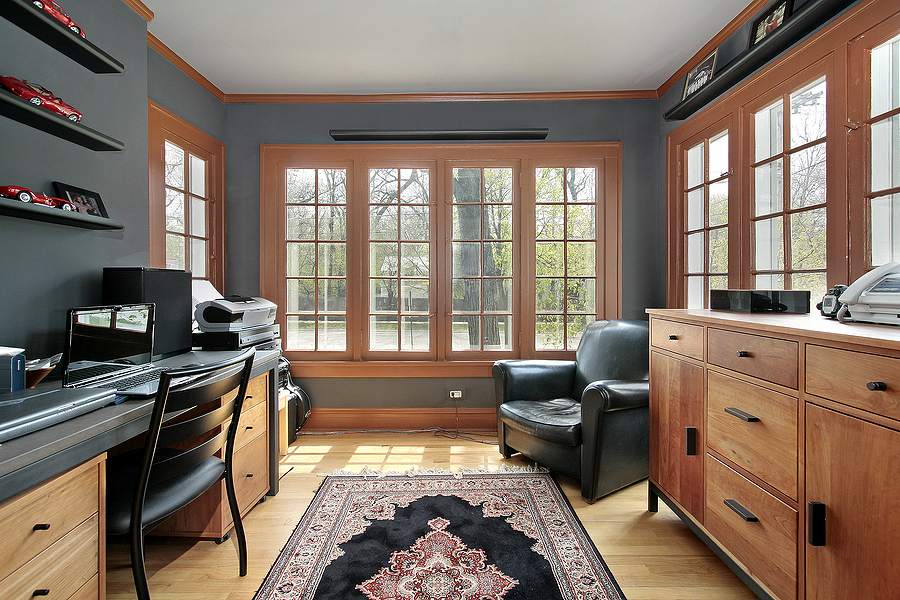
Whether you’re writing a novel, poetry, or journaling, your surroundings can impact your creativity. A well-designed creative writing space helps you focus and settle into the right mindset for letting your imagination run free and bring your vision to life.
Building a writing space can help ensure you’re at your most creative. And it doesn’t require a large home or expensive makeover to bring it to life. Your writing room could be anything from a spare bedroom or a quiet corner, to a shed or even a spot on your landing. What matters most is creating a comfortable, inspiring, and personal area where you can focus on your writing.
Let’s explore practical writing space ideas to help you form a creative environment with the right atmosphere, organisation, and tools to support your passion.
What is a writing room?
A writing room is a dedicated area designed for writing. For some, it may be a fully furnished home office with shelves of books and a large desk. For others, it might simply be a quiet corner in a bedroom or living room with a comfortable chair, a notebook, and a pen.
The ideal setup depends on your home, your writing habits, and your type of work. A novelist may want complete silence and plenty of desk storage, while a calligrapher could prioritise lighting and room for inks and paper.
How to create your ideal writing space
Building your ideal writing space is a personal thing. You want something that matches your personality, your aesthetic, and helps let your ideas flow. Every writing room will be different as a result, but here are some of our top writing space ideas to help you design an area that inspires creativity and supports your workflow.
1. Find the right writing space
The first step in creating a writing space is choosing the right location. The most important thing is that it’s your space, away from the stresses of everyday life and dedicated to your writing.
A spare room is a great place to separate yourself from the busiest parts of your home. Alternatively, a small alcove, garden office, or even a section of your bedroom can become an effective writing space when designed thoughtfully.
If you work from home, you might want to avoid using the same desk for both professional tasks and creative writing if possible. Separating these activities helps establish a clearer mental distinction between work obligations and creative expression.
When choosing your writing room, consider:
- Natural light levels
- Noise and distractions
- Ventilation and temperature
- Access to power sockets
- Available storage
- Privacy.
Some writers thrive in complete silence, while others prefer ambient background noise. Think carefully about what helps you focus and create your writing space around those preferences.
2. Make it your own
Your creative writing space should reflect your personality and inspire you. It should be a place where you feel at your most comfortable, so make it your own.
Colour can impact that atmosphere. Soft neutrals create calm sensations, while deeper greens and blues encourage focus and creativity. Warm lighting can also make the room feel more inviting, particularly during darker evenings or colder weather.
Personal touches really bring the space to life, transforming a functional desk into a truly inspiring writing space. Consider including:
- Framed quotes from your favourite authors
- Artwork or photography
- Bookshelves filled with inspiring reads
- Candles or incense sticks to set the mood
- Indoor plants
- Cork boards pinned with ideas
- Soft rugs and cushions
- Ambient desk lamps.
The goal is to create a writing room that feels inviting and encourages creativity.
3. Choose a desk and chair
An uncomfortable chair or poorly sized desk can quickly distract from creativity. You’re likely to spend hours at your desk, so you want to find one that’s comfortable.
Some writers prefer minimalist desks with very little visible clutter, while others enjoy larger surfaces with space for notebooks, open books, and other sources of inspiration. When choosing a desk for your writing room, think about:
- Surface area for notebooks and stationery
- Drawer or storage space
- Height and posture support
- Space for both analogue and digital tools.
Your chair should provide proper back support and encourage good posture. Adjustable chairs are particularly useful if you alternate between handwriting and typing throughout the day.

Closeup of black fountain pen tip on notebook
4. Pick the right pens and stationery
No creative writing space is complete without the right writing tools. You need stationery and pens that will take your writing game to the next level.
Whether you prefer fountain pens, rollerballs, or mechanical pencils, using tools that are comfortable in your hands can enhance your writing experience.
Start with quality notebooks and paper for drafting ideas, journalling, and brainstorming. Keeping multiple notebooks for different projects can help organise your thoughts more effectively within your writing room. Think about your aesthetic preference too and what would inspire you to write. Some may like a sleek, clean design for mental clarity or an ornate, leatherbound notebook to inspire creativity.
Pens are equally important. Many writers use different pens for planning, editing, note-taking, and creative drafting. Fountain pens, in particular, encourage slower and more deliberate writing and can make the creative process feel more immersive.
To keep your creative writing space organised, invest in practical storage and desk accessories. Elegant pen holders protect your favourite pens and keep your desk clutter-free.
Other useful additions for your writing space may include:
- Ink bottles and blotting paper
- Desk organisers
- Sticky notes and page markers
- Whiteboards or cork boards
- Filing trays
- Writing folders and portfolios
- Paperweights
- Letter openers and desk accessories.
A clutter-free desk encourages clearer thinking, so regularly tidying your writing space can improve both productivity and creativity.
5. Segment your writing space
If you have adequate room, consider dividing your writing room into zones for different creative activities. This type of segmentation helps your writing room feel more purposeful and organised.
Many writers benefit by separating brainstorming from focused writing. You could have a:
- Desk for drafting and editing
- Comfortable reading chair for inspiration
- Pinboard wall for planning ideas
- Small relaxation area for breaks.
Even in smaller writing rooms, simple distinctions can help. A dedicated notebook for brainstorming or a separate tray for editing materials can create structure without taking up extra room.
Other considerations
The atmosphere of your writing room can have a powerful effect on your creative mindset, and music can play a part. Some writers prefer complete silence, while others rely on instrumental playlists, nature sounds, or ambient music to help them focus. Invest in speakers or headphones to elevate the creative process.
It’s also important to maintain your writing space regularly. Dusting surfaces, organising stationery, cleaning pens, and removing clutter all contribute to a calmer and more productive environment. If you really want to get into the zone, pick a signature scented candle you light every time you write, and you’ll be transferred into your own world before you know it.
How can a creative writing space help?
A dedicated writing room offers more than just somewhere to sit with a notebook. It creates a mental boundary between everyday life and creative work.
When you enter your writing space, your brain associates the environment with focus and creativity. It’s a place designed for escape, so your ideas can develop without interruption, and you’ll maintain concentration for longer.
With the familiarity of some meaningful objects, inspiring books, calming scents, and beautiful stationery, you’re more likely to get into the flow of writing.
Ultimately, the best writing room is one that feels welcoming, personal, and consistently gets you in a productive mood. Whether you can dedicate an entire room to writing or just a small corner, it should feel uniquely yours — somewhere ideas can grow freely, and creativity feels effortless.
If you’re ready to build your ideal writing space, explore The Pen Company’s collection of premium pens, notebooks, inks, and desk accessories to create a writing room that truly inspires.