Last updated on June 12, 2026
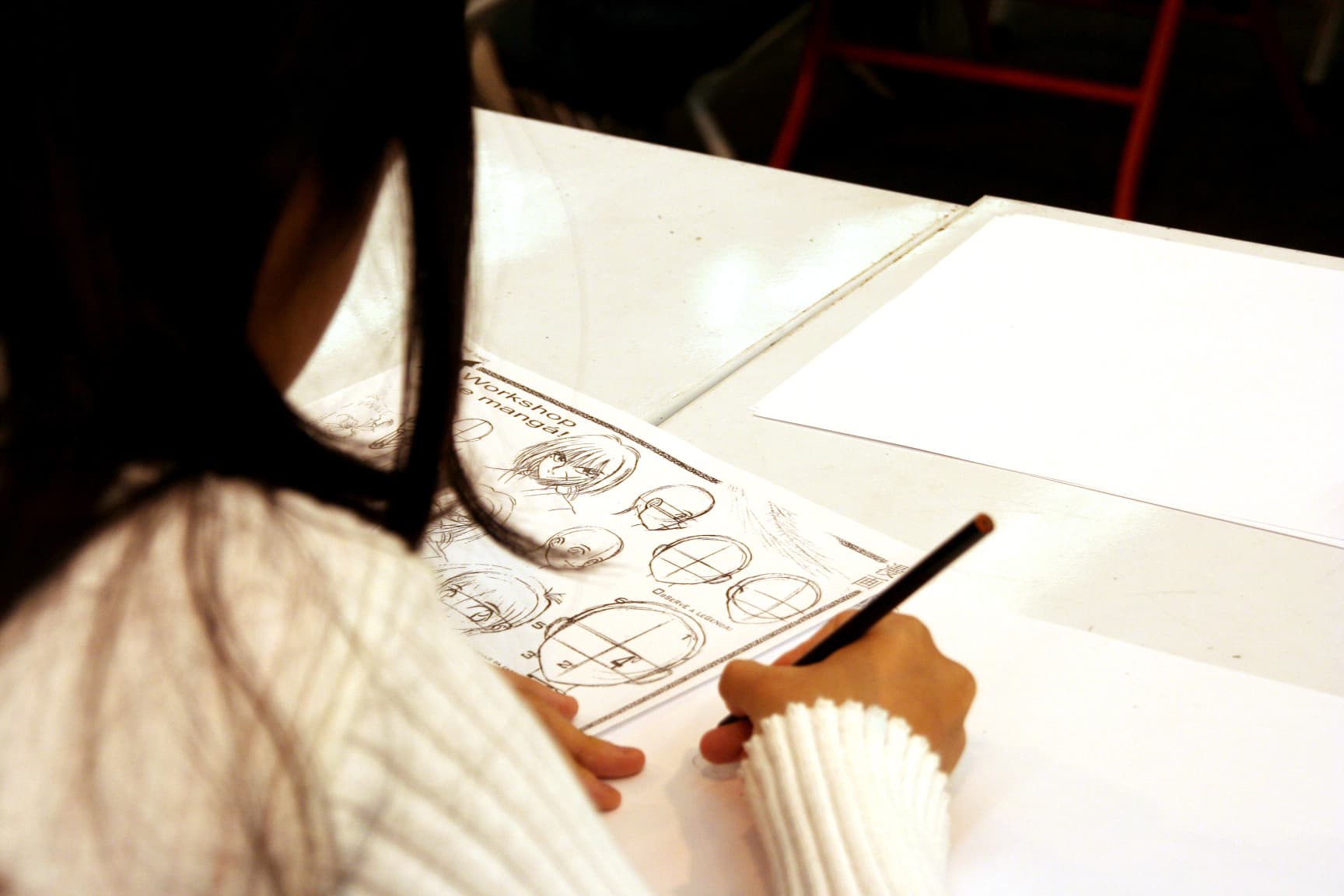
Having the right manga art supplies makes all the difference when you’re drawing your first character or crafting complete comic book pages to rival Masashi Kishimoto or Osamu Tezuka.
Manga and comic books are examples of visual storytelling at its finest. Flick through any manga and it’s easy to marvel at the unique and expressive characters. Alongside gripping plotlines filled with adventure, the fantastic artwork makes it clear why many budding artists aspire to create their own manga tales.
So, you’ve got the story in your head. You can visualise the characters who will carry it along. Now it’s time to create.
To start, you need the right tools, which can make or break the creative process. Choose dependable manga art supplies to work with confidence and elevate your talent.
Let’s explore manga artistry and the manga drawing supplies you need to get started with your imaginative pursuit.
What is manga?
Manga is a Japanese style of comic art that uses unique designs and storytelling techniques. It first became well-known in Japan, then boomed in popularity worldwide in the 1950s with the rise of regular magazine publications featuring the art.
From action to romance, manga can fall under many genres that each demonstrate distinct visual conventions. Manga art typically has expressive character design, varies line weights, and employs dramatic inking techniques.
How do manga and comic art styles differ?
Visually, manga uses cleaner lines and expresses a wider range of emotion through its style than comic books. It also uses simple black and white layouts, relying heavily on shading and tone to carry much of the narrative. Western comics tend to use more detailed textures and bolder colours to create depth and realism.
Both styles use some of the same art supplies, at least for starting a project. But manga artists find more success in achieving the style by choosing specific manga tools that help with expressive line work and ink control.
The best manga drawing pens
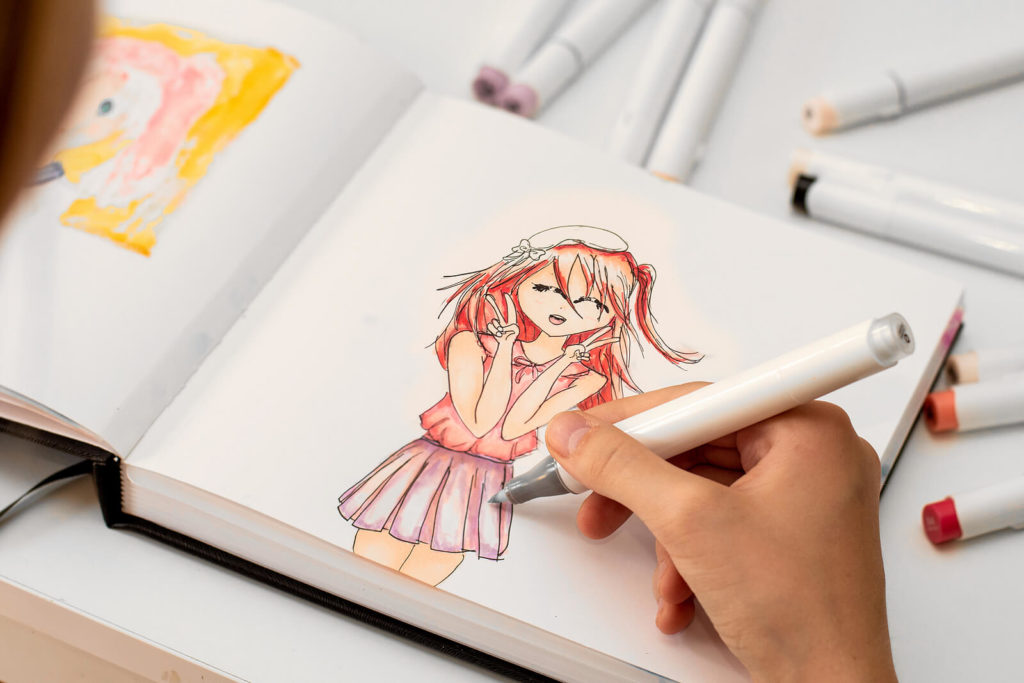
Let’s break down the key pen types manga and comic artists rely on so you can confidently start your manga journey.
Fineliner and dip pens
Fineliner pens are a crucial manga tool for achieving crisp line work. They’re perfect for drawing delicate hair strands, expressive eyes, and clean contour lines. The Staedtler Pigment Liner pack of six offers point widths from 0.005mm to 0.8mm, so you can use different weights where needed.
After a little experience, if you want to try something more traditional, dip pens can be a creative option too. Using a nib and bottled ink, a dip pen is a fun way to experiment with different manga art supplies.
Brush pens
Brush pens can make your manga art stand out on the page with dynamic and expressive lines. They give you control over line weight and pressure, making them perfect for adding dramatic effects.
The Tombow ABT Dual Brush Pen comes in an array of colours, including classic black and a variety of grey shades, making it a great brush pen for manga artwork.
Markers
Colour and tone are the final touches that elevate your manga pages. Whether you’re adding subtle grey shading or full colour accents, finding the best manga marker pens can help you achieve the final flourish to tie everything together.
Alcohol-based markers blend beautifully and are especially useful if you plan to create coloured manga art. Of course, you can stick with a black Staedtler Lumocolor Permanent Marker, or add a shining touch with a Staedtler Metallic Marker.
Other essential manga art supplies
Using the right manga art supplies helps your art look better and more professional, while also making the creation process more enjoyable. Having smooth, crisp paper that prevents ink bleeds and using quality manga pens that stand the test of time are a must for drawing well.
Let’s browse the essential manga art supplies every budding manga artist needs.
Paper and sketchbooks
Great manga starts with great paper. The surface you draw on affects how your pencils, inks, and markers behave while drawing, so it’s essential to choose the right type.
It’s a good idea to practice your designs in a dedicated sketch pad while you get a feel for the characters and tools you use to bring them to life. Once you’re into the rhythm, it’s time to upgrade.
Choose thick paper with a smooth surface for manga artistry to guarantee clean inking. Smooth paper prevents fibres from catching on your pen tips and potentially smudging your lines. If you can source it, specialised manga manuscript paper is best, as it’s designed with this specific craft in mind. Alternatively, something smooth like Bristol board can serve very well, providing a clean drawing surface.
Manga pencils
Typically, great illustrations start with pencil work. A pencil is a fantastic tool for those initial sketches before graduating to pens for the final designs.
Manga artists often use two pencil types:
- Mechanical pencils: Offer tight, controlled lines and encourage finer details.
- Graphite pencils: Enable different levels of hardness for sketching and shading.
It’s recommended to have both types of pencils on hand so you can play around with each and add depth to your art.
Putting it all together
Choosing manga art supplies doesn’t have to be overwhelming. Start with the basics of paper, pencils, and a couple of reliable pens before gradually expanding your kit of manga accessories as your personal style develops.
Practice line work daily to discover which pens and markers feel the most comfortable in your hand and help you achieve the most polished work. The more you experiment with different manga tools, the more you’ll know which ones work best for you.
A beginner might start with a trusty sketchbook and a couple of fineliners. However, a more advanced manga artist may invest in a wider range of markers or dual-tip brush pens to achieve richer results.
Whichever level you’re at, you’ll find a curated selection of manga supplies at The Pen Company to engage your creative process.